How to Raise Outdoor Kids
A small amount of screen time won’t automatically mean that you’re raising an ‘indoor kid’ who wants to spend all their time inside. However, if they believe there are more things to capture their attention indoors, it can quickly become their default location. When your family loves being outdoors, it makes sense for you to want your children to follow suit. With that in mind, here’s how to raise kids who love being in the outdoors:

Photo by Scott Webb on Unsplash
Start with Light Adventures
While your children can still participate in fun and educational activities indoors, where they take music lessons online and watch their favorite TV shows, you can also start getting them excited about light outdoor activities that appeal to their interests.
For example, young kids can love jumping in puddles and chasing bugs. Others want to collect sticks or rocks. Follow their curiosity, let them get dirty, and keep the outings positive. If their early experiences with the outdoors are fun, they’ll quickly build a positive association.
Prioritize Exploration and Experience, Not Achievement
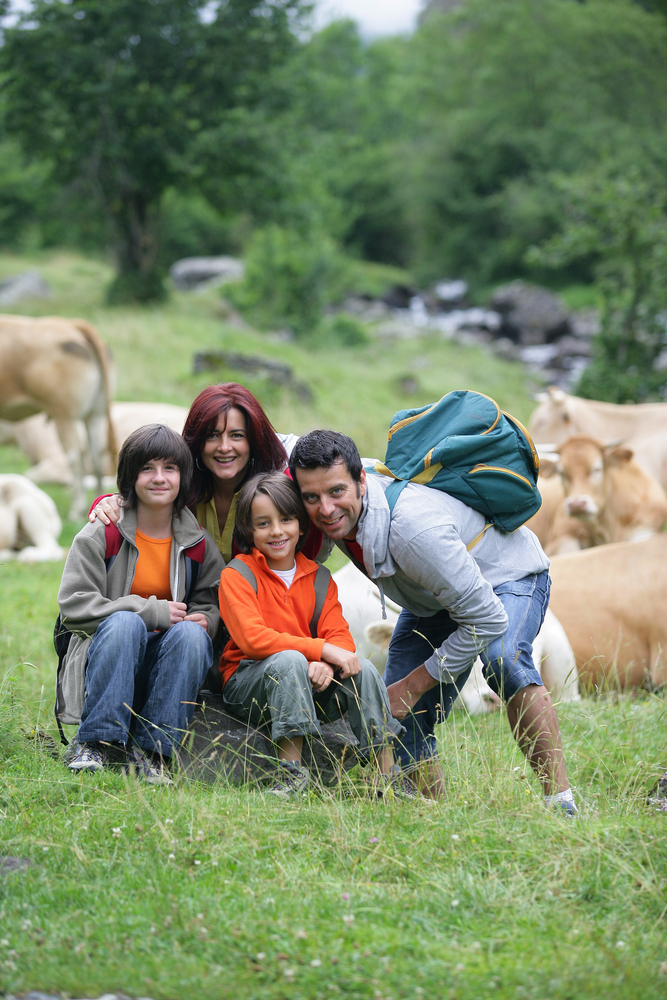
All too many avid adventurers mar their children’s outdoor experiences by focusing on the destination. They can be in a rush to reach the summit, the end of the walking track, or the car park. For young children, it’s more important to have experiences along the way, and reaching the destination is not necessarily as important. This means that regular woodland walks can turn into treasure hunts, and that you might end up climbing trees, rather than hiking.
Create Family Traditions
You don’t want your children to grow up and remember with discomfort how they used to have to go on random, intermittent, hours-long hikes through challenging terrain. Instead, you want them to remember that you would take weekly nature walks or beach trips, and that you would plan frequent camping trips to beautiful locations.
These small but meaningful activities can build emotional memories tied to the outdoors. Therefore, every time your children think of being outside, they associate it with something good.
Encourage Curiosity
Nature is wonderful and mysterious. Scientists don’t yet understand everything about it, so the average family doesn’t, either. As a result, there’s no harm in encouraging your children to be curious. Ask questions to evoke their interest, such as ‘Why do you think that bird is doing that?’ and ‘What do you think those ants do all day?’ You could even bring tools to learn more about the creatures you find, such as binoculars and magnifying glasses. If your children ask you questions you don’t know the answers to, turn it into a joint learning session where you discover more together.
Head Out in Imperfect Conditions
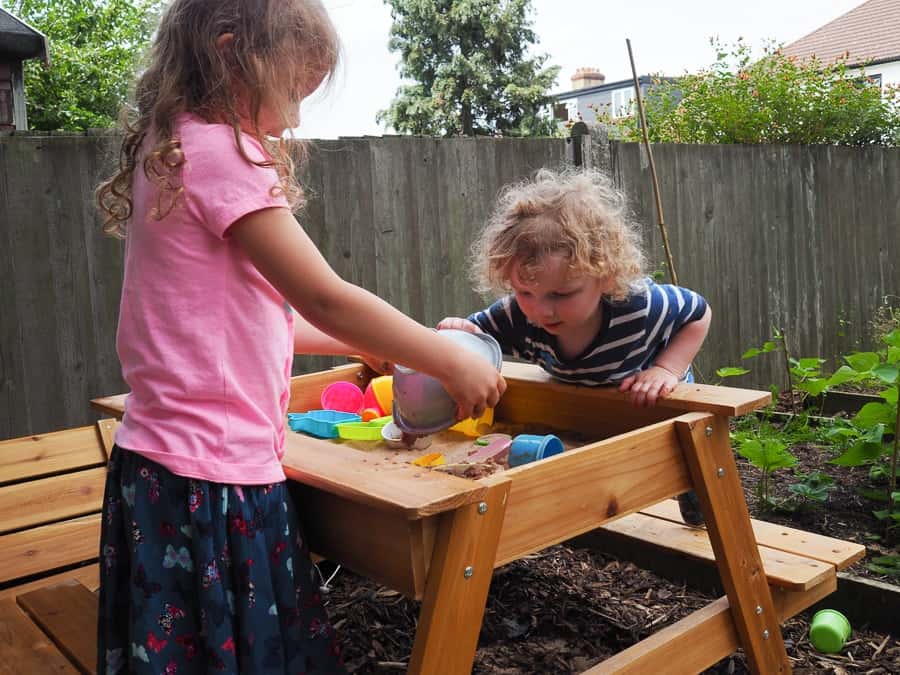
A day of rain doesn’t have to mean a day spent indoors. Children can’t hope to build resilience in uncomfortable outdoor environments if you don’t let them experience them. Dress appropriately for the weather to limit discomfort and use particular weather challenges to your advantage. For example, you can build and fly kites if it’s windy and jump in puddles if it’s raining. If it’s muddy, it’s the perfect environment for mud kitchen play!
Let Them Take (Safe) Risks
As scary as it can be to watch our kids tackle outdoor challenges, it can help them build confidence, resilience, and a love of the outdoors. Let them take safe risks like climbing and balancing, and fight the urge to say well-meaning but limiting things like ‘be careful!’ The goal is to teach children to trust their judgement, rather than to fear taking risks.
Don’t Demonise Screens
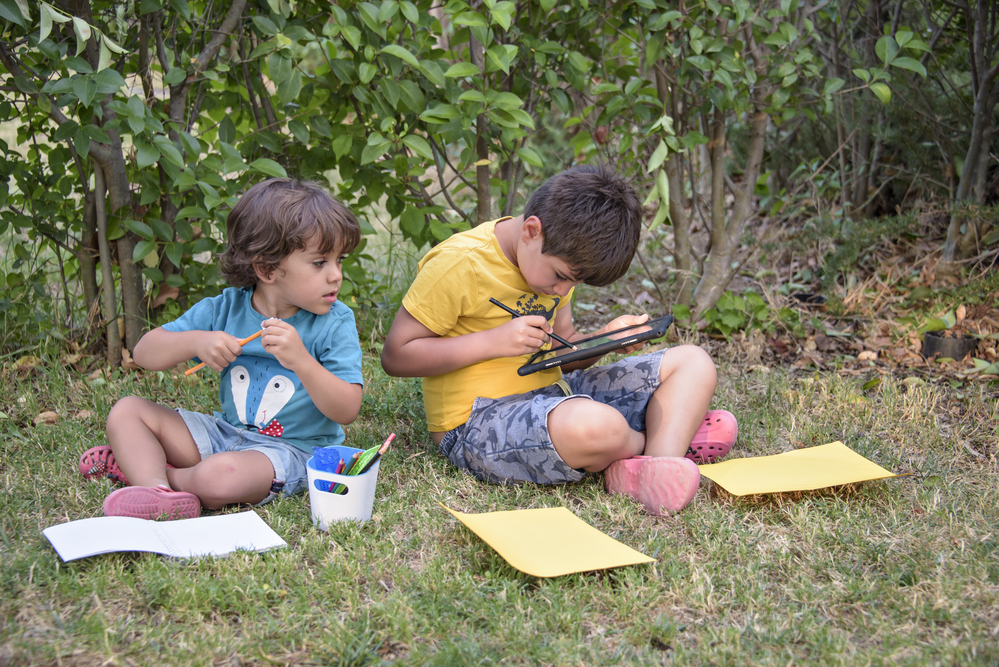
In a world of screens, it’s only natural to want to limit just how much time your children spend on them. However, that doesn’t mean you have to demonize them. Make outdoor time the default rather than a punishment, but consider allowing your children a set amount of screen time if there are screens in your home. By making screens off-limits, you’re potentially making them the ‘forbidden fruit.’
You can also integrate screens with outdoor play, such as taking photos of plants and animals and using the internet to identify them and learn more about them.
Be a Role Model
You can’t hope to raise outdoor kids if you aren’t leading by example and showing genuine enthusiasm for the outdoors. For example, you will struggle to model the outdoors as a fun and interesting place as you tell your kids to go outside and play while you sit inside and watch reels on your phone.
You don’t have to participate in every outdoor adventure, but being enthusiastic about them and talking about how they make you feel can be a great foundation for raising outdoor-loving kids.
Your children won’t always grow up to be passionate outdoorspeople, but you can certainly lay a foundation for a love of the outdoors. Make it a part of your everyday lives, encourage exploration, and create family traditions. It’s the small things that can make a world of difference.